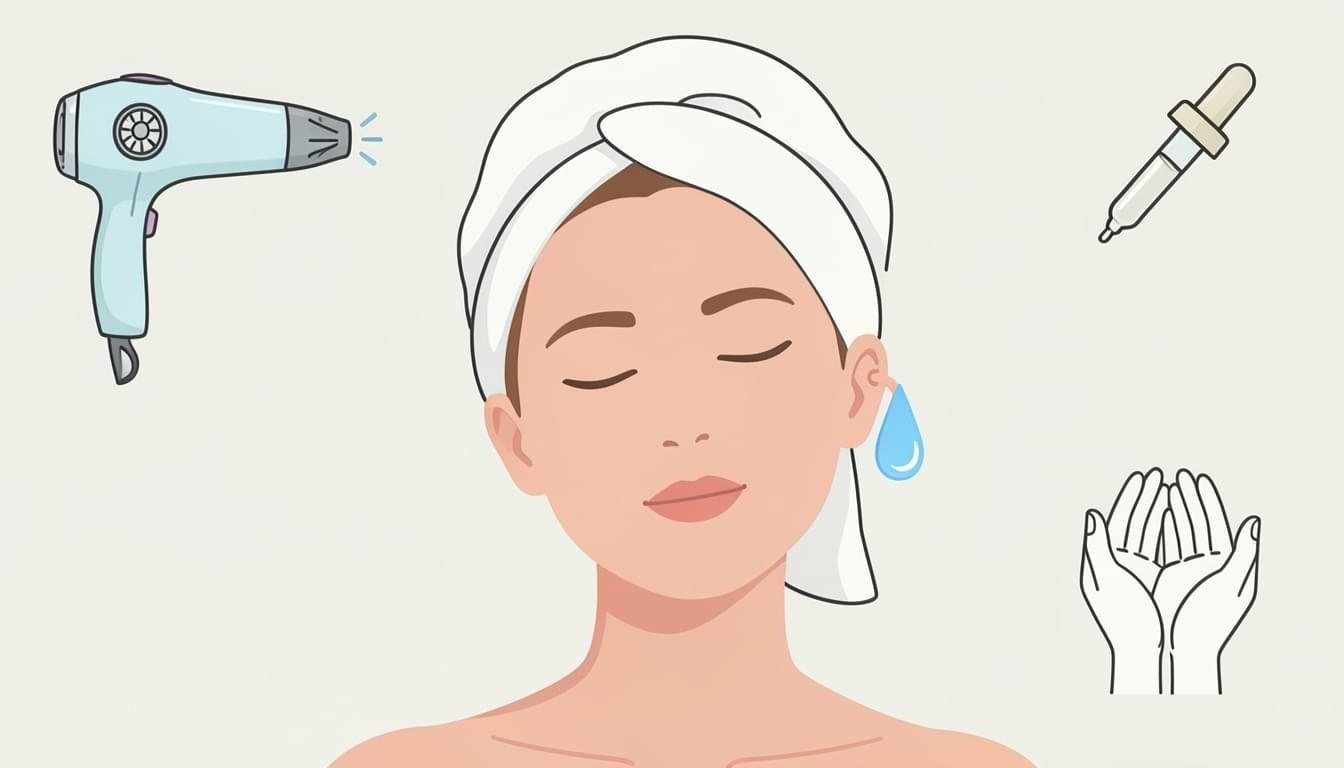
How to Get Water Out of Your Ear: Safe and Effective Methods
Few sensations are as annoying as that blocked, sloshing feeling after a swim or shower. This trapped moisture creates a perfect environment for bacterial growth in your ear canal. If you want to know how to get water out of your ear, you have several safe options. Acting quickly is vital to prevent discomfort and the infection known as swimmer’s ear. This guide provides expert-backed methods for fast relief and dry ears.
What Causes the Blocked Feeling After Swimming?
The ear canal is a narrow tunnel ending at the eardrum. When water enters, surface tension can cause it to stick, forming a barrier . You may experience muffled hearing, a feeling of fullness, or a tickling sensation . A common reason water stays trapped is due to a barrier of earwax . Knowing how to get water out of your ear is essential because the warm, moist environment is ideal for bacteria , leading to swimmer’s ear (otitis externa).
The Safest Methods: How to Get Water Out of Your Ear
Here are the safest and most recommended techniques to remove trapped water.
Tilt and Tug: Using Gravity
This is the simplest and often most effective first step. Lean your head to the side with the affected ear facing the floor . Gently pull your earlobe in different directions to straighten the canal and allow water to escape . To learn how to get water out of your ear using gravity, try lying on your side for a few minutes with a towel under your head.
Create a Gentle Vacuum
If tilting doesn’t work, use suction to create a vacuum .
- Tilt your head so the affected ear is facing down.
- Cup your palm firmly over your ear to create a seal.
- Gently push and release your hand in a quick motion. The suction can dislodge the water .
Use a Hair Dryer
A hair dryer can safely evaporate stubborn moisture .
- Turn the dryer to its lowest heat and speed setting.
- Hold it about 12 inches away from your ear.
- Gently move the dryer back and forth while pulling on your earlobe. This is a safe, low-risk method how to get water out of your ear .
The Jaw Movement Technique
Your jaw is connected to your eustachian tubes. Yawning, chewing gum, or moving your jaw from side to side can open these tubes and help water drain . If you are looking for a discreet way how to get water out of your ear, this method is ideal.
When to Use Ear Drops
If physical methods fail, an ear drop solution can help break down the surface tension . A common home remedy is a mixture of equal parts rubbing alcohol and white vinegar. The alcohol helps evaporate water, and the vinegar can prevent bacterial growth . To use this method for how to get water out of your ear, place a few drops in the ear, tilt your head, and let it drain out .
Important Warning: Never use eardrops if you have an ear infection, a perforated eardrum, or ear tubes. Always consult a doctor first .
Understanding Hydrogen Peroxide for Ear Cleaning
If earwax is trapping water, a 3% hydrogen peroxide solution can be effective . It fizzes to break down the wax and release trapped water. To use this for how to get water out of your ear, tilt your head and put a few drops into your ear. Let it sit for a few minutes before tilting your head back to drain it. However, overuse can irritate the delicate skin of the ear canal .
What to Avoid: Dangerous Methods
Knowing how to get water out of your ear also means knowing what not to do. Some methods can be dangerous.
- No Cotton Swabs: Using cotton swabs can push water and earwax deeper, causing impaction or a perforated eardrum .
- Avoid Fingers or Sharp Objects: These scratch the ear canal, inviting infection .
- Don’t Force It: If gentle methods fail, do not force the water out.
The Valsalva Maneuver
To open the eustachian tubes, you can try the Valsalva maneuver. Take a deep breath, close your mouth, pinch your nose, and gently blow. You may hear a slight “pop” indicating the tubes are open. This is a specialized method for how to get water out of your ear if the issue is deeper, but be careful not to blow too hard, as this can damage the eardrum .
Comparison of Effective Methods for Water Removal
| Method | How to do it | Effectiveness | Safety |
|---|---|---|---|
| Tilt & Tug | Lean head sideways and gently pull earlobe. | High for immediate relief | Very safe |
| Create Vacuum | Cup palm over ear and gently push/pull. | Good for mild blockages | Safe if done gently |
| Hair Dryer | Hold on low heat, blow toward ear for 30 sec. | Effective for evaporation | Safe; avoid high heat |
| Ear Drops | Apply a few drops of alcohol/vinegar mixture. | Good for lasting moisture | Caution if eardrum damaged |
| Hydrogen Peroxide | Use 3% solution to break down wax. | Good for wax-related blockages | Safe but can irritate if overused |
Symptoms of a Developing Infection
If water remains in the ear too long, bacteria can multiply and cause swimmer’s ear . Recognizing these symptoms is important.
- Itching: The ear canal may itch.
- Redness: The outer ear may become red and swollen .
- Pain: Pain increases when pulling on the earlobe .
- Discharge: Fluid or pus may drain from the ear .
When to See a Healthcare Provider
It is time to see a doctor if pain, discharge, or hearing loss develops . A healthcare provider can safely remove debris and prescribe antibiotic ear drops . If you have followed the steps for how to get water out of your ear and symptoms persist for more than two or three days, seek medical attention .
Prevention: Stop Water from Trapping in the First Place
The best strategy is prevention.
- Use earplugs or a swim cap during water activities .
- Dry your ears thoroughly after swimming or showering .
- Do not remove earwax, which protects your ear .
Quick Answers to Common Questions
Here are answers to common questions about how to get water out of your ear.
Can water get trapped in my ear from a shower?
Yes, water can easily get trapped in the ear canal from a shower, bath, or swimming pool, leading to a “clogged” sensation . Surface tension prevents the water from draining naturally.
Will water in my ear eventually drain out on its own?
While water often evaporates or drains out, it can sometimes take 24 to 48 hours . If moisture is trapped too long, it can lead to an outer ear infection, known as swimmer’s ear .
Why is my ear clogged if there is no water in it?
Sometimes you feel a blocked sensation because of eustachian tube dysfunction, fluid behind the eardrum, or impacted earwax . If you are not sure, see a doctor .
Is it safe to use Q-tips to get water out?
No. Q-tips or cotton swabs should not be inserted into the ear canal to get water out . Doing so can push the water deeper, pack earwax, and cause injury or infection.
How do I get water out of my ear if I have an ear infection?
If you suspect an ear infection, do not use eardrops or insert anything into your ear . See a doctor for treatment .
Conclusion
Knowing how to get water out of your ear quickly and safely is essential for your ear health. Start with simple, safe methods like tilting your head or using a gentle vacuum. If these fail, try a hair dryer or over-the-counter eardrops. Always avoid inserting objects like cotton swabs into your ear canal. If you experience pain, discharge, or hearing loss, consult a healthcare professional. Share this article to help others learn how to keep their ears healthy and comfortable.