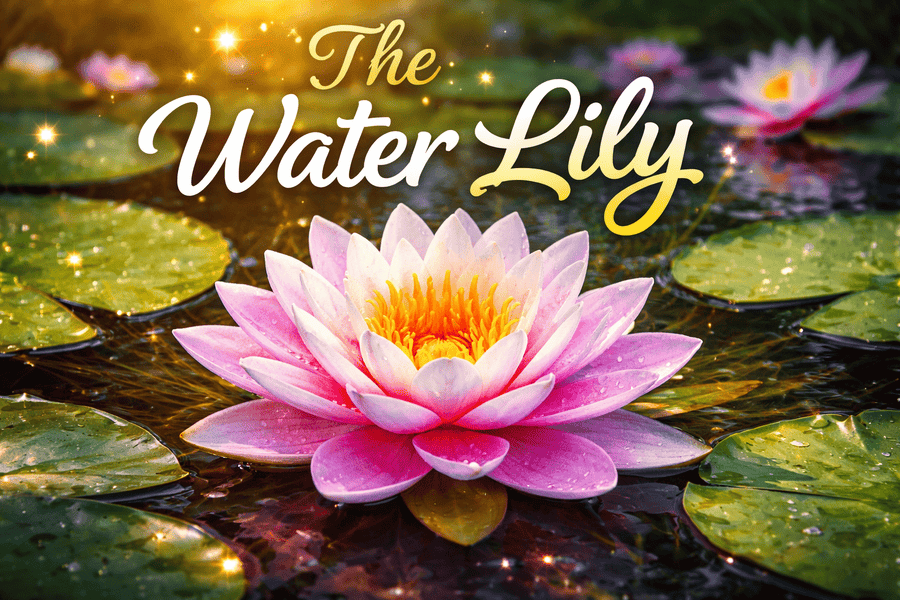
The Water Lily: A Complete Guide to Nature’s Floating Crown
Have you ever seen a beautiful water lily resting gently on a quiet pond? That peaceful image can bring calm to anyone’s day. The water lily is not just a pretty flower. It is a powerful symbol of purity and peace across many cultures. If you want to make your garden look like a paradise, adding a water lily is the smartest choice. This flower floats with grace. It opens its petals when the sun rises. Then it closes them when night falls. This daily dance makes it a true wonder of nature. People love watching these flowers grow because they are easy to care for. They also clean the water naturally. In this guide, you will learn everything about the water lily. You will discover how to plant it, grow it, and enjoy its many benefits. Let us dive into the magical world of this floating flower.
The Amazing Water Lily – Nature’s Floating Masterpiece for Your Pond
Have you ever seen a beautiful water lily resting gently on a quiet pond? That peaceful image can bring calm to anyone’s day. The water lily is not just a pretty flower. It is a powerful symbol of purity and peace across many cultures. If you want to make your garden look like a paradise, adding a water lily is the smartest choice. This flower floats with grace. It opens its petals when the sun rises. Then it closes them when night falls. This daily dance makes it a true wonder of nature. People love watching these flowers grow because they are easy to care for. They also clean the water naturally. In this guide, you will learn everything about the water lily. You will discover how to plant it, grow it, and enjoy its many benefits. Let us dive into the magical world of this floating flower.
📖 Table of Contents – jump to any section
| Feature | Details & Recommendations |
|---|---|
| 🌱 Scientific Name | Nymphaeaceae family (over 70 species) |
| 💧 Hardiness Zones (USA) | Hardy lilies: zones 3–11 ; Tropical lilies: zones 9–11 |
| ☀️ Sunlight Needs | At least 6 hours of direct sunlight daily |
| 💦 Water Depth | 6 to 18 inches from top of pot to water surface (adjust as plant grows) |
| 🌸 Bloom Colors | White, pink, yellow, red, blue, purple, peach |
| ⏰ Blooming Season | Late spring through early autumn |
| 🌿 Pot Size | 10–14 inches wide, shallow, no drainage holes |
| 🍂 Winter Care (Hardy) | Lower pot to deepest part of pond (below freeze line) |
| 🏝️ Winter Care (Tropical) | Store rhizome indoors in damp sand above 50°F |
| 🐟 Benefits | Reduces algae, gives shade, shelter for fish & frogs |
1. What Exactly is a Water Lily?
A water lily is a flowering plant that lives in fresh water. It belongs to the family called Nymphaeaceae. There are over 70 different species around the world. These plants have big, round leaves that float on top of the water. The leaves are often called lily pads. The water lily flower looks like a star. It can be white, pink, yellow, blue, or red. Each flower opens in the morning. Then it closes in the late afternoon. This cycle lasts for three to four days. After that, the flower sinks underwater to produce seeds. The roots of a water lily grow in the mud at the bottom of ponds. Long stems connect the roots to the leaves and flowers. These stems have air channels. That is why the plant can float so easily. Some water lilies are very small. Others can cover a large area of water. No matter the size, every water lily brings beauty and life to its home.
2. The Amazing History of Water Lilies
Water lilies have a very long history on Earth. Scientists found fossils that are millions of years old. These ancient flowers looked similar to the ones we see today. Many old cultures loved the water lily. In ancient Egypt, the blue water lily was a sacred flower. People used it in art and religious ceremonies. They believed it stood for rebirth and the sun. In Buddhism and Hinduism, the water lily means purity. That is because the flower rises from dirty mud but stays clean and bright. The famous artist Claude Monet painted over 250 pictures of water lilies. He had a big garden with a pond full of them in France. People from all over the world visit that garden. They want to see the same water lily ponds that Monet painted. Today, water lilies grow on every continent except Antarctica. They continue to inspire artists, gardeners, and dreamers. This beautiful flower truly connects the past with the present.
3. Different Types of Water Lilies You Can Grow
There are two main types of water lilies. The first type is the hardy water lily. The second type is the tropical water lily. Hardy water lilies can survive cold winters. They grow well in most parts of the United States. Their flowers sit on top of the water. They come in white, pink, yellow, and peach. Tropical water lilies need warm weather. They cannot live through freezing cold. But their flowers are much bigger and brighter. Some tropical types bloom in blue or purple. Their flowers stand high above the water. They also smell very sweet. Within these two groups, there are many sizes. Dwarf water lilies are perfect for small tubs or mini ponds. Large water lilies need big ponds or lakes. Some popular names include ‘Attraction’, ‘Colorado’, and ‘Blue Beauty’. When you choose a water lily, think about your climate and pond size. Picking the right one will make your gardening easy and fun. You will enjoy beautiful blooms all summer long.
4. Why You Should Add a Water Lily to Your Pond
Adding a water lily to your pond gives you many wonderful benefits. First, it makes the water look beautiful. The bright flowers and green pads create a natural work of art. Second, water lilies keep the water clean. Their big leaves block sunlight. Less sunlight means less algae growth. Algae can turn water green and smelly. The water lily stops that from happening. Third, these plants give shelter to fish and frogs. Small fish hide under the lily pads. Big birds cannot see them there. Frogs love to sit on the leaves. Fourth, water lilies make oxygen. This helps all living things in the pond stay healthy. Fifth, watching a water lily bloom every morning can reduce your stress. It feels like the flower is smiling at you. Sixth, water lilies attract butterflies and bees. These helpful insects love the sweet nectar. So one single water lily can turn a boring pond into a lively, happy place for everyone.
5. How to Plant a Water Lily the Right Way
Planting a water lily is not hard if you follow simple steps. First, you need a wide pot without holes. The pot should be shallow. A good size is 10 to 14 inches wide. Second, use heavy soil. Do not use light potting mix because it will float. Garden clay or loam works best. Third, place the water lily rhizome at an angle. The growing tip should point toward the center of the pot. Cover the roots with soil. But do not cover the growing tip. Fourth, put a layer of small rocks or gravel on top. This keeps the soil from washing away. Fifth, gently lower the pot into the pond. The top of the pot should be 6 to 12 inches under the water surface. As the water lily grows, you can lower it deeper. Do this in spring after the last frost. If you live in a cold place, plant in late spring. Tropical types need warmer water. So wait until the water temperature reaches 70 degrees. Your water lily will reward you with amazing blooms.
6. Best Soil, Sunlight, and Water Needs
A healthy water lily needs three main things. Those are good soil, plenty of sunlight, and calm water. Let us talk about soil first. Use heavy clay or loam soil. Never use garden soil with added chemicals. Chemicals can harm your fish and the water lily. Do not use peat moss or manure. These materials float and make the water dirty. Now for sunlight. Water lilies love the sun. They need at least six hours of direct sunlight every day. More sun means more flowers. If your pond is shady, the water lily will grow fewer leaves and no blooms. Finally, water conditions matter. Water lilies like still or slow-moving water. Fountains and waterfalls are fine if they do not splash directly on the leaves. The water should be clean but not treated with algaecides. Tap water is okay if you let it sit for one day before adding the plant. The perfect pH level is between 6.5 and 7.5. When you give these three things, your water lily will thrive and bloom like crazy.
7. Simple Care Tips for Healthy Water Lilies
Taking care of a water lily is very easy. You only need to do a few simple jobs. First, remove yellow or dying leaves. Cut them off at the base. This keeps the pond clean. It also helps the plant grow stronger. Second, feed your water lily once a month. Use special fertilizer tablets for aquatic plants. Push one tablet into the soil near the roots. Do this from spring to late summer. Third, watch for overgrown plants. Water lilies spread quickly. If the pot gets too full, divide the plant. Take it out of the pot. Cut the rhizome into pieces. Each piece should have a growing tip. Then replant each piece in its own pot. Fourth, prepare for winter. Hardy water lilies can stay in the pond. Just lower them to the deepest part. Tropical water lilies cannot survive freezing. So bring them inside. Store the rhizome in damp sand inside a cool garage or basement. With this simple care, your water lily will live for many years.
8. Common Problems and Easy Fixes
Sometimes problems happen with a water lily. But most issues have easy solutions. One common problem is no flowers. This usually means not enough sunlight. Move the pot to a sunnier spot. Or trim nearby trees. Another problem is small, pale leaves. This means the plant needs food. Add a fertilizer tablet. You will see improvement in two weeks. Aphids are tiny bugs that love water lilies. They hide under the leaves. Spray them off with a garden hose. Or add ladybugs to your garden. They eat aphids naturally. Leaf spot disease looks like brown circles on leaves. Cut off the bad leaves. Make sure the water lily has good air flow. Do not overcrowd the pond. If the water turns green, you have too much algae. Add more water lilies. Their leaves will block the sunlight. Algae will disappear. Remember, a happy water lily rarely gets sick. So give it good care from the start. Your plant will stay strong and beautiful.
9. How Water Lilies Help the Environment
Water lilies are not just pretty. They are superheroes for the environment. A single water lily can clean a large amount of water. How does it do that? The roots absorb extra nutrients from the water. These nutrients come from fish waste and rotting leaves. Too many nutrients cause algae blooms. Algae blooms kill fish and other animals. The water lily stops this from happening. The big leaves also provide shade. Cooler water holds more oxygen. Fish need oxygen to breathe. The leaves give a safe resting place for frogs, turtles, and dragonflies. Dragonflies eat mosquitoes. So a water lily helps reduce mosquito problems too. Birds drink from the clean water. Bees collect pollen from the bright flowers. In nature, water lilies create entire ecosystems. A pond with water lilies supports more life than a pond without them. By planting a water lily, you are helping nature stay balanced and healthy. That is a powerful gift to give our planet.
10. Fun Facts That Will Surprise You
Get ready for some fun surprises about the water lily. Did you know that some water lilies can change color? A flower might open white on the first day. Then it turns pink on the second day. By the third day, it becomes deep red. This is nature’s magic show. Another fact is that giant water lilies exist. The Amazon water lily has leaves that grow up to 10 feet wide. A small child could sit on one leaf without sinking. That is incredible! Here is another cool thing. Water lilies have a special way to spread seeds. The seeds have air pockets. So they float away to new places. Some seeds can stay alive for many years. They wait for the right time to grow. Water lilies also close at night to protect their pollen from dew and cold. In the morning, they open again for bees. One more fact: the water lily is the national flower of Bangladesh and Sri Lanka. People there celebrate this flower with festivals. These facts show that the water lily is truly a wonder of the plant world.
❓ Frequently Asked Questions (FAQs)
A healthy water lily grows very fast in summer. It can produce one new leaf every week. Flowers appear every 10 to 14 days. With good care, one plant can cover a 4-foot area in just two months.
Yes, you can! Dwarf water lilies grow well in half-barrels or large buckets. The container needs to be at least 12 inches deep. Small ponds on patios work great. Just make sure the water lily gets 6 hours of sun daily.
No, they do not need a filter. Water lilies are natural filters. Their roots clean the water. Their leaves block algae. However, a small pump helps keep water fresh. But many people grow beautiful water lily ponds without any filter.
Yellow leaves often mean the plant needs food. Add a fertilizer tablet. It could also mean old age. Leaves live for three to four weeks. Then they turn yellow and die. Cut them off. New leaves will grow quickly. Your water lily will look fresh again.
Hardy water lilies survive winter in most US states. Lower the pot to the deepest pond area. The water there does not freeze solid. Tropical water lilies cannot survive outside in cold states. Bring them indoors. Store the rhizome in damp sand inside a cool basement.
Deer and rabbits usually do not eat water lilies. The leaves grow in water. These animals do not like getting wet. However, turtles and koi fish might nibble the leaves. Protect your water lily with a mesh net if you have large fish. Otherwise, this plant stays safe from most pests.
✨ Final Thoughts & Your Next Step
The water lily is more than a simple pond plant. It is a gift of beauty, peace, and clean water. You have learned how to plant, grow, and care for this amazing flower. You now know its history, its benefits, and how it helps nature. Adding a water lily to your garden will bring you joy every single morning. Imagine waking up to see bright flowers floating on calm water. That feeling of happiness is priceless. You do not need a big lake to start. A small tub on your patio works perfectly. Visit your local garden center. Pick a water lily that speaks to your heart. Start with one plant. Watch it grow. Share pictures with your friends. Invite them to see your beautiful pond. Let this be the day you bring nature’s floating crown into your life. Your journey with the water lily starts now. Go ahead and plant one today. You will be so glad you did.
What Exactly is a Water Lily?
Water lily — a type of freshwater flowering plant. Nymphaea is a genus of about 60 species belonging to the family Nymphaeaceae. More than 70 different species exist worldwide. They have large, round leaves that float on top of the water. The leaves are commonly known as lily pads. The flower of the water lily is star shaped. It can be white, pink, yellow, blue or red. Each bloom unfolds in the morning. Then it shuts in late afternoon. This process takes three to four days. Then the flower submerges and creates seeds. Water lilies grow their roots in the mud at the bottoms of ponds. The roots are connected to the leaves and flowers by long stems. These stems have air channels. That is why the plant can so easily float. Some of the water lilies are tiny. Others can sail long distances. Every water lily, no matter how large or small, adds beauty and life to its place of dwelling.
Water Lilies: The Amazing History
Water lilies are ancient plants with roots going back a long way on Earth. Fossils that are millions of years old were discovered by scientists. These ancient flowers resembled the ones we see today. The water lily was beloved by many ancient cultures. One of the sacred flowers in ancient Egypt was the blue water lily. It was used by people for art and religious ceremonies.” It represented rebirth and the sun, they thought. The water lily represents purity in Buddhism and Hinduism. That is because the flower grows out of muddy dirt, but remains clean and vibrant. The famous artist Claude Monet made over 250 pictures of water lilies. In France, he had a large garden with a pond that was full of them. Lassmann: People come from every country in the world to that garden. They want to visit the same water lily ponds that Monet painted. Now, water lilies are found on every continent but Antarctica. They still inspire artists, gardeners and dreamers. This gorgeous flower really links the past to the present.
Varieties of Water Lilies to Grow
There are two general categories of water lilys. The hardy water lily is the first type. The second category is the tropical water lily. Cold winters are no threat to hardy water lilies. They thrive in most regions of the United States. Their blossoms tend to be above the water. They are white, pink, yellow and peach. Tropical water lilies require warm weather. They cannot survive freezing cold. But they are much larger and brighter in color. Some tropic types flower blue or lilac. A flowering above water high. They also smell very sweet. Within each of these two categories, a hundred sizes. Dwarf water lilies are great for small tubs or mini ponds. Big water lilies require big ponds or lakes. Among the favorite names are ‘Attraction’, ‘Colorado’ and ‘Blue Beauty’. When selecting a water lily, consider your climate and pond size. Get the right one and your gardening will be easy and fun. You will have gorgeous blooms all summer long.
Why You Should Add a Water Lily to Your Pond
Here are some of the many benefits adding a water lily to your pond can do for you. First, it makes the water look nice. Such bright flowers and green pads make for a natural work of art. Second, water lilies maintain clean water. Their big leaves block sunlight. Fewer algae bloom with less sunlight. Algal blooms make water green and smelly. The water lily prevents the manifestation of that tendency.” Third, these plants provide shelter for fish and frogs. Little fish shelter underneath the lily pads. Large birds cannot see them from that altitude. The leaves are frogs’ favorite seats. Fourth, water lilies make oxygen. This keeps all the living things in the pond healthy. Fifth, viewing a water lily unfold each morning can help alleviate your stress. It feels like when the flower is smiling at you. Sixth, water lilies contribute to butterflies and bees. This helpful insect loves the sweet nectar. So one water lily can transform a dull pond into a busy, joyful place with all soul mates.
How to Properly Plant a Water Lily
To successfully plant a water lily you must follow some simple steps however 🙂 First, you want a large pot with no holes. The pot should be shallow. A large one is between 10 to 14 inches wide. Second, use heavy soil. Do not use lightweight potting mix as it will float. Loam or garden clay is ideal. Step Three Angle in the water lily rhizome The pointy growing tip should be facing the pot center. Cover the roots with soil. However, do not cover the growing tip. Fourth, place a layer of small stones or gravel over the top. This helps prevent soil from eroding. Fifth, slowly lower the pot into the pond. The water level should be at least 6 to 12 inches below the top of the pot. As your water lily grows, you can lower it down further. Do this in the spring, after the last frost. In a cold climate, plant in late spring. Tropical types need warmer water. So, wait until the water is 70 degrees. You will be rewarded with beautiful blooms from your water lily.
Optimal Soil, Light and Water Requirements
There are three essential things for a healthy water lily. Those are healthy soil, abundant sunlight and still water. Let us talk about soil first. Use heavy clay or loam soil. Avoid using garden soil with chemicals mixed in. Chemicals can hurt your fish and the water lily. It should not include peat moss or manure. These are lightweight materials that impurities the water. Now for sunlight. Water lilies love the sun. The plants require a minimum of six hours of direct sunlight each day. More sun means more flowers. In a shady pond, the water lily produces fewer leaves and refuses to bloom. Finally, water conditions matter. Water lilies prefer still or slow-moving water. Fountains and waterfalls are OK as long as they don’t splash directly on the leaves. Water must be free of contamination but not treated with algaecides. Tap water is fine; just let it sit for a day before you put the plant in. The optimum pH range is 6.5 to 7.5. When you provide these three, your water lily will be so happy it will bloom like nuts.
Water Lily Care: Tips for Keeping Water Lilies Healthy
One of the easiest things to take care of is a water lily. All you have to do is some easy tasks. Pick off yellow or dying leaves, first. Cut them off at the base. This keeps the pond clean. It also aids the plant in growing stronger. For one, fertilize your water lily once a month. Use special fertilizer tablets for water plants. Insert one tablet in the soil near the roots. If so, do this from spring to late summer. Third, watch for overgrown plants. Water lilies spread quickly. If the pot gets too crowded, split the plant. Take it out of the pot. Cut the rhizome into pieces. Every piece should contain a tip with growth. Plant each piece separately in its own pot. Fourth, prepare for winter. Hardy water lilies may remain in the pond. Simply lower them to the deepest end. Tropical water lilies cannot endure freezing temperatures. So bring them inside. Put the rhizome in moist sand inside a cool garage or basement. With this basic care, your water lily will live for years.
Common Problems and Easy Fixes
Once in a while a water lily has some problems. Solution: Most issues are easy to solve. One common issue is no flowers. This typically indicates too little sunlight. Relocate the pot to a sunbelt. Or trim nearby trees. The other problem is tiny pale leaves. That means the plant is hungry. Add a fertilizer tablet. You will notice a difference within two weeks. Aphids are SMALL LITTLE BUGS THAT LOVE WATER LILIES. They hide under the leaves. Spray them out with a garden hose. Or get ladybugs in your garden. They eat aphids naturally. Leaf spot disease appears as brown spotted circles on leaves. Cut off the bad leaves. Ensure your water lily has adequate air circulation. Do not overcrowd the pond. If the water appears green you have too much algae. Add more water lilies. Their leaves will create shade blockage. Algae will disappear. And a contented water lily is seldom sick. Treat it with good care from the beginning.” Your plant will be strong as well as beautiful.
Aquatic Plants That Clean Our Waters: Water Lilies
Water lilies aren’t only pretty. They’re the environmental superheroes of all our dreams. For a significant area of water, one single water lily can do the trick. How does it do that? The extra nutrients are absorbed through the water by the roots. Nutrients (fish waste and rotting leaves) 로부터입니다. Algae blooms happen when nutrients get too rich. Algae blooms destroy fish and other animals. This is what the water lily prevents from happening. The large leaves create shade as well. Cooler water holds more oxygen. Fish need oxygen to breathe. The leaves provide a nesting safety spot for frogs, turtles and dragonflies. Dragonflies eat mosquitoes. So a water lily also mitigates mosquito problems. The clean water is drunk by the birds. But the bright flowers do attract its pollinators—the bees. In nature, water lilies spawn whole ecosystems. A pond with water lilies is more supportive of life than one without them. When you plant a water lily, you’re contributing to nature’s balance. That’s an amazing gift to give our planet.
You Might Be Surprised By These Fun Facts
Hang tight though cause we are all in for a treat about the water lily. Did you know that certain water lilies can shift color? For example, a flower may bloom white on day one. Then on the second day it turns pink. By the third day, it is deep red. This is nature’s magic show. Another fact is: giant water lilies exist. The Amazon water lily grows leaves that can span up to 10 feet wide. One leaf could hold a small child, and not sink. That is incredible! Here is another cool thing. Water lilies have a unique method of seed dispersal. The seeds have air pockets. So they drift off into new places. Some seeds can remain viable for decades. They bide their time, waiting for the moment to bloom. Water lilies also fold their petals at night, so dew or cold does not ruin their pollen. In the morning, they close back for bees. Another fact: the Bangladesh and Sri Lanka national flower is the water lily. It is widely celebrated there with the festivals on this flower. It is these facts that make the water lily a wonder in the world of plants.
Frequently Asked Questions (FAQs)
How quickly does a water lily grow?
Water lily growing in summer (growth rate) It produces one new leaf a week. Buds appear every 10 to 14 days. In just two months a single plant can spread out in a 4-foot area with good care.
Can I grow a water lily in a small pot?
Yes, you can! Half-barrels and large buckets make excellent spots for growing dwarf water lilies. Use a have at least 12-inches deep container. Patio pond works perfectly. As long as the water lily gets 6 hours of sun a day, you should be all set.
Water Lilies do not require a filter in the pond.
In case you were wondering, they do NOT need a filter. Water lilies are natural filters. Their roots clean the water. Their leaves block algae. But a tiny pump keeps the water fresh. However, many individuals are growing beautiful water lily ponds with no filter whatsoever.
What does it mean when my water lily leaves turn yellow?
Yellow leaves can be a sign the plant isn’t getting enough food. Add a fertilizer tablet. It could also mean old age. Leaves last for three to four weeks. Then they go yellow and die. Cut them off. New leaves will grow quickly. Your water lily will be refreshed once again.
Do Water Lilies Overwinter in America?
Most of the US states will have winter hardy water lilies. Place the pot as deep in the pond as you can. There, the water doesn’t solidify into ice. In colder states, tropical water lilies cannot be planted outside. Bring them indoors. Keep the rhizome in wet sand in a cool basement.
Do deer and rabbits eat water lilies?
Water lilies are not generally eaten by deer and rabbits. The leaves grow in water. These creatures are not fond of getting wet. However, turtles and koi fish may eat the leaves. Use a mesh net to safeguard your water lily if you own large fish. Other than that, this plant is safe from most pests.
Conclusion and the Next Steps for You
The water lily is not just a basic pond plant. It is a gift of beauty and peace, and of clean water. You have studied how to plant, and grow, and care for this beautiful flower. Now you know its history, benefits and how it helps nature. Every morning that a water lily blooms in your garden is a day of joy. Imagine waking up to bright flowers on calm water. The feeling of happiness is the priceless one. You do not even need a big lake to start with. Even a small tub on your patio will do just fine. Visit your local garden center. Choose a water lily that resonates with you. Start with one plant. Watch it grow. Share pictures with your friends. Let them come over to see your lovely fish pond. Let today be the day you invite nature’s floating crown into your life. You begin your journey with the water lily now. Go ahead and plant one today. You will be so glad you did.