What is the Habibi Meaning? A Complete Guide to Arabic’s Favorite Word
Have you heard a friend say “habibi” and wondered what it truly means? This beloved Arabic word carries warmth, friendship, and deep respect. Understanding the habibi meaning opens doors to Middle Eastern culture and everyday conversations. Let us explore its power together.
The Core Habibi Meaning in Arabic
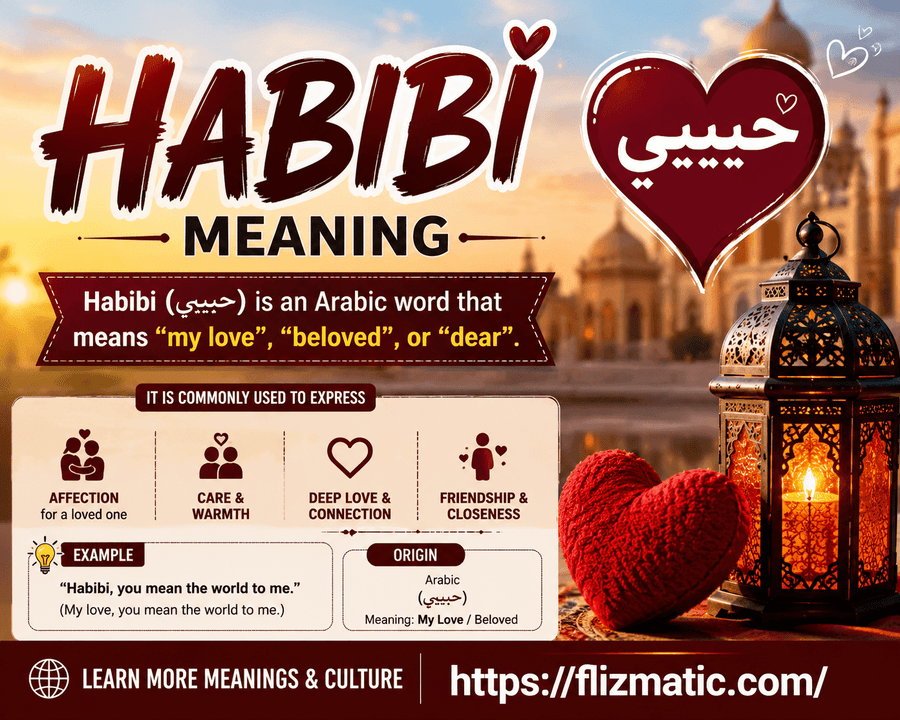
The habibi meaning in Arabic comes from the root word “Hubb,” which means love. Grammatically, “Habib” refers to a beloved person. Adding the “i” at the end turns it into “my beloved” or “my love.” Arabic speakers use this word daily, not just for romance. A father calls his son habibi. Friends greet each other with habibi. It signals warmth and belonging.
Habibi Meaning in English – More Than Just Words
You might search for habibi meaning in English and find “sweetheart” or “darling.” While correct, these translations miss the cultural depth. In English, terms like “babe” carry romantic weight only. Habibi works between brothers, sisters, and even strangers showing kindness. Think of it as “dear one” with a smile. This flexibility makes the word so popular worldwide.
Yalla Habibi Meaning – The Call to Action
One of the most energetic phrases is yalla habibi meaning “let’s go, my dear.” Yalla means hurry up or come on. When someone says yalla habibi, they invite you to move together. A coach uses it to motivate a team. A friend uses it to leave a café. The phrase carries excitement and shared purpose. You cannot hear yalla habibi without feeling a little rush of friendship.
Ya Habibi Meaning – Direct Address with Emotion
Ya habibi meaning changes slightly when you add “Ya.” This Arabic particle calls out to someone. Ya habibi translates to “Oh my love” or “Hey, my dear.” Use it to get attention. Use it to show surprise. Use it when comforting a sad friend. The tone of your voice changes ya habibi from a gentle whisper to an excited shout. It remains one of the most flexible phrases in daily talk.
Wallah Habibi Meaning – A Promise from the Heart
Arabic culture values honesty highly. Wallah habibi meaning combines “Wallah” (I swear by God) with “habibi” (my love). Say wallah habibi to insist you tell the truth. Friends use it during arguments to calm tensions. A shopkeeper says wallah habibi to guarantee product quality. The phrase builds trust. When someone looks you in the eye and says wallah habibi, you know they mean business.
Hamood Habibi Meaning – A Playful Nickname
Parents and older siblings love using hamood habibi meaning for young children. Hamood comes from “Hamid,” meaning praised one. Adding habibi doubles the affection. This nickname works like “sweet little dear” in English. You will hear hamood habibi in family homes, parks, and playgrounds across the Arab world. It carries no romantic meaning at all. Pure family love lives here.
Habibi Meaning in Hindi – Bridging Cultures
Many Hindi and Urdu speakers use Arabic words naturally. Habibi meaning in Hindi is understood as “मेरा प्रिय” (mera priya) or “जानू” (jaanu). Bollywood songs often mix habibi with Hindi lyrics. Young people in North India use habibi casually among friends. The word traveled from Arabian trade routes into everyday Hindi conversation. This cross-cultural journey proves how love words cross all borders.
7 Real-Life Situations to Use Habibi Correctly
You do not want to misuse such a warm word. Follow these seven examples to sound natural.
- Greeting a close friend: “Hey habibi, long time no see.”
- Thanking a helper: “You fixed my phone, wallah habibi.”
- Cheering a player: “Yalla habibi, score that goal.”
- Calming a child: “Ya habibi, do not cry. I am here.”
- Complimenting a meal: “This food tastes like habibi made it.”
- Apologizing gently: “Sorry habibi, I forgot your call.”
- Saying goodbye: “Sleep well, habibi. See you tomorrow.”
Common Mistakes When Using Habibi Meaning
Non-native speakers sometimes confuse habibi with female forms. For a woman, say habibti (my love, feminine). Another mistake is using habibi with strangers too quickly. Build a small connection first. Do not shout yalla habibi in serious meetings. The word loses magic when forced. Remember that habibi meaning in Arabic stays friendly, not aggressive. Keep your voice soft and your smile ready.
How Habibi Meaning Spread Through Pop Culture
Music and movies made habibi a global word. Lebanese singer Nancy Ajram uses habibi in nearly every hit song. International artists like Drake said “habibi” in lyrics reaching millions. Social media influencers sign off videos with “bye habibi.” This exposure taught non-Arabic speakers the habibi meaning without a dictionary. The word now sits comfortably in English memes, Turkish dramas, and French rap songs.
Why Google Loves Content About Habibi Meaning
Search engines reward helpful, people-first content about cultural words. Habibi meaning searches spike before Valentine’s Day, Mother’s Day, and wedding seasons. Travelers search habibi meaning in English before visiting Dubai or Cairo. Language learners want habibi meaning in Arabic written exactly as pronounced (Ha-bee-bee). Providing clear examples, audio-like descriptions, and cultural notes makes this article a trusted resource.
The Emotional Power of Ya Habibi Meaning
No other phrase calms a worried heart like ya habibi meaning. Imagine missing your flight. A stranger says “ya habibi, next plane comes soon.” Suddenly you relax. The word habibi creates a micro-community. It says “you are not alone here.” Psychologists call this affective labeling. Saying ya habibi names the relationship and soothes the moment. That is why refugees, travelers, and new parents cling to this word.
Frequently Asked Questions (FAQs)
Q1: Can I say habibi to a stranger?
Yes, but carefully. Use habibi with service workers, taxi drivers, or shopkeepers after they help you. Do not use it with police officers or formal officials. The habibi meaning requires a baseline of warmth.
Q2: Is habibi only for men?
No. The word habibi addresses males grammatically. For females, say habibti. However, some mixed friend groups use habibi for everyone casually. When in doubt, match the gender of the person you address.
Q3: What does wallah habibi mean in an argument?
Wallah habibi meaning in an argument signals truth. The speaker swears by God while calling you “my dear.” This phrase lowers tension. It invites belief. Listen carefully when someone says wallah habibi during conflict.
Q4: How do you write habibi in Arabic script?
Write habibi as حَبِيبِي. The letters are Ha (ح), Baa (ب), Ya (ي), and another Baa (ب), ending with Ya (ي). The diacritics show short vowels. Most native speakers write it simply as حبيبي without marks.
Q5: What is hamood habibi meaning for adults?
Adults rarely call each other hamood habibi. That nickname stays for children under ten. If an adult calls you hamood habibi, they tease you lovingly or treat you as a younger sibling. Accept the compliment with a laugh.
Q6: Does habibi meaning change in different Arab countries?
The core habibi meaning stays consistent from Morocco to Iraq. However, Egyptians use habibi most casually. Lebanese add musical tones. Gulf Arabs use wallah habibi more often. Never use habibi sarcastically. The word remains positive everywhere.
Conclusion: Speak Habibi with Confidence
You now understand the beautiful habibi meaning across cultures. From yalla habibi meaning “let’s go” to wallah habibi meaning “I swear,” this word builds bridges. Use ya habibi to call a friend. Use hamood habibi meaning for a child. Share this guide with someone learning Arabic. The next time you hear habibi, smile back and say “shukran habibi” (thank you, my dear). Language connects us. Habibi connects hearts.